Whale sharks & manta rays: when, where and how
The dry season has calm water and honeymoon blue. The wet season — the South West monsoon — has plankton, mantas and the world's most reliable whale-shark encounters. A guide for Indian visitors who can't decide which season to pick.
Updated September 2026Why the wet season is the wildlife season
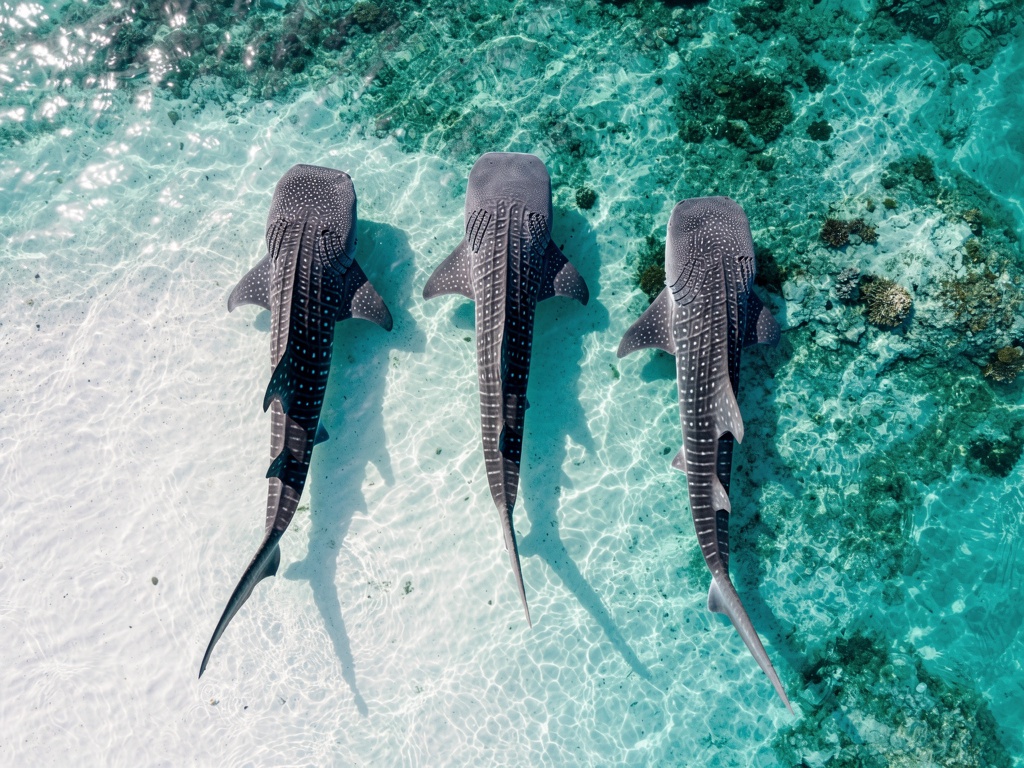
From around late May through October, southwest monsoon currents push nutrient-rich water into the Maldives. Plankton blooms feed mantas and whale sharks, which is why the atolls are reliably busy with them in those months. The water is less clear on some days — but the encounters are way more frequent.
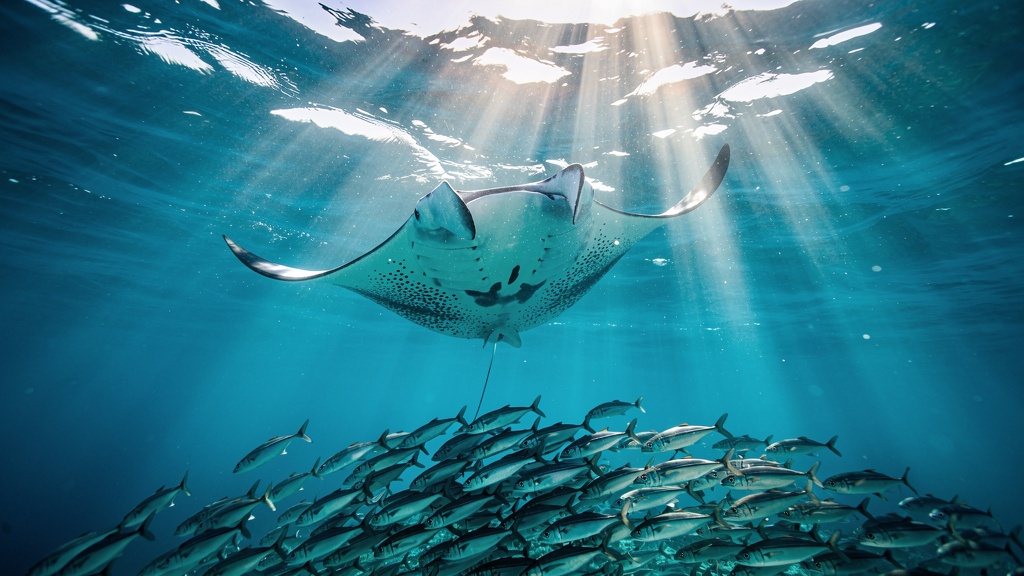
The headline spot is Hanifaru Bay in Baa Atoll, a UNESCO biosphere reserve where dozens of manta rays and occasional whale sharks feed in close formation. Access is regulated — daily visitor caps, no scuba, snorkel-only, in-water time limit.
Month-by-month: what the wildlife calendar looks like
| Window | Mantas | Whale sharks | Conditions |
|---|---|---|---|
| May–June | Building up; Ari strong | Spottier, mostly South Ari | Lighter rain, fewer crowds |
| July–August (peak) | Hanifaru Bay at its best | South Ari, Laamu reliable | More rain, plankton-rich |
| Sep–Oct | Winding down at Hanifaru | Sunset side encounters persist | Wettest; shoulder deals |
| Nov–Apr | Of course, but fewer large groups | Rare occasional encounters | Calm water, visibility, peak rates |
Best atolls for an Indian visitor
- Baa Atoll: Hanifaru Bay mantas; fly into Dharavandhoo domestic airport or speedboat from Malé (best from a Baa-resort stay).
- South Ari Atoll: Whale-shark year-round marine protected area; reef-side resorts and liveaboards cluster here.
- Laamu Atoll: Hithadhoo Outer Reef for mantas; fewer crowds, longer seaplane or domestic+fuel.
- Lhaviyani: Strong year-round reef life (not Hanifaru-style) — comfortable for first-timers with seasickness concerns.
Whether you'll actually see one — honest numbers
Whale shark peak
South Ari Inshore MPA, July–October. Resorts report 70–90% encounter rates in good years — but no guarantees on any single trip.
Manta peak
Hanifaru Bay, June–August. With the licensed snorkel-only seal rule, in-water time slots crowd in and out — book boats early.
Buffer days
Stay 3 nights minimum at a wildlife-accessible resort. One bad-weather day uses up most of your single-boat allocation.
Choosing a resort or liveaboard
For mantas at Hanifaru: stay in Baa Atoll (e.g. Reethi Beach, Soneva Jani, or a smaller local-island guesthouse with a licensed boat operator). For whale sharks daily: South Ari (e.g. Conrad Maldives, LUX South Ari) or a dedicated diving liveaboard working the MPA.
Resort excursions tend to be more comfortable and easier on Indian traveller logistics; liveaboards unlock more remote sites but mean longer daily boat runs.
Things to know before you book
Permissions and rules at Hanifaru
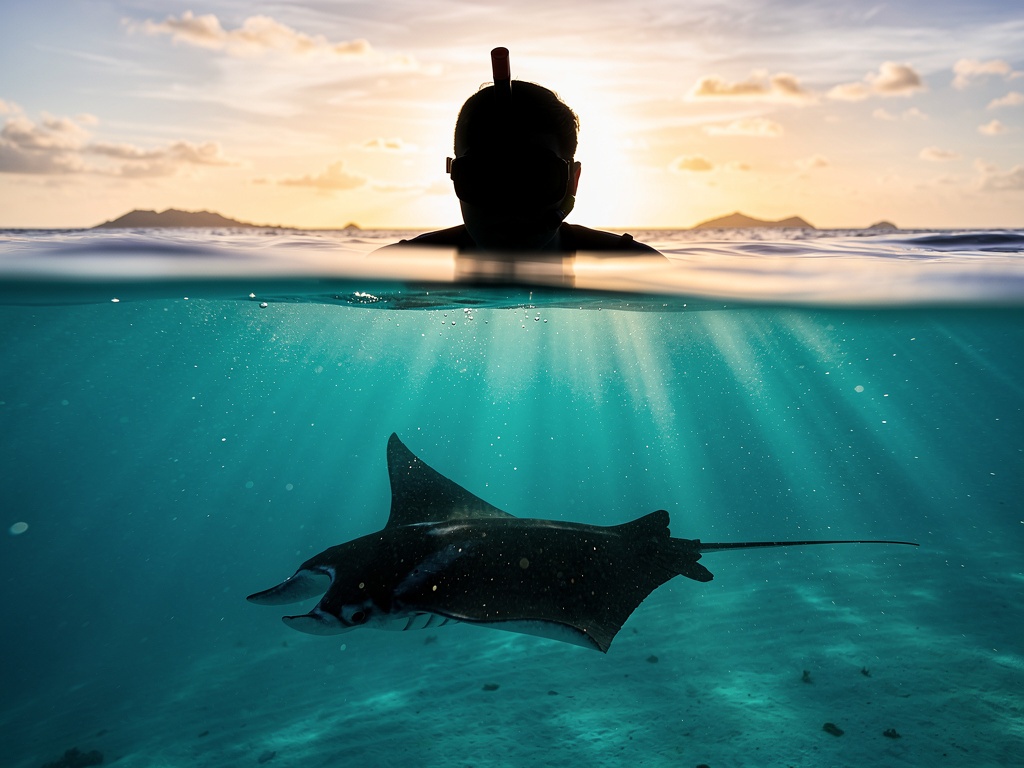
- Boats must be licensed; Hanifaru is snorkel-only
- Daily cap means slots book out early in peak months
- No flash photography, no touching, no sunscreen
Southeast monsoon weather
- Showers are short, sunny breaks common
- Visibility is 15–25 m on good days, less on plankton-rich days
- Whale-shark season draft - look out for rain-during-boat-day cancellations
Seasickness and budget
- Spare day buffer, especially liveaboard days
- Baa/Ari in mid-range is significantly cheaper in peak wet season vs peak dry
- Avoid 24h layover-free fava — direct Dharavandhoo flights help
Maldives them and beyond
- Don't pick between the three — pick what you want more
- Dry = perfect water; wet = unique contacts
- Both are tempting and luxurious — Mid-August begs yourself
Quick planning steps
Pick the season you want to call: wildlife vs beach
Wildlife = May to October. Beach-only = November to April.
Choose your atoll
Baa South Ari or Laamu. Coordinate the seaplane/service from Malé.
Computing numbers
At least 3 nights at the base. Add the one lay-day before night bus.
Buy reef-safe sunscreen & a free mask
Your own mask means a better fit and hygiene. No aloe jello on the reef.